When I first began checking omega-3 levels for my patients, I was struck by how often the results came back low. These weren't people who were unhealthy by any standards. They exercised, ate balanced meals, and genuinely cared about nutrition. Yet their omega-3 levels told a different story.
Omega-3 insufficiency is far more widespread in Western countries than most people realize. More than 90% of adults don't meet recommended intake, and most consume much more omega-6 than omega-3. This imbalance is important because omega-3s are essential for heart health, brain function, and managing inflammation—cornerstones of long-term wellbeing.
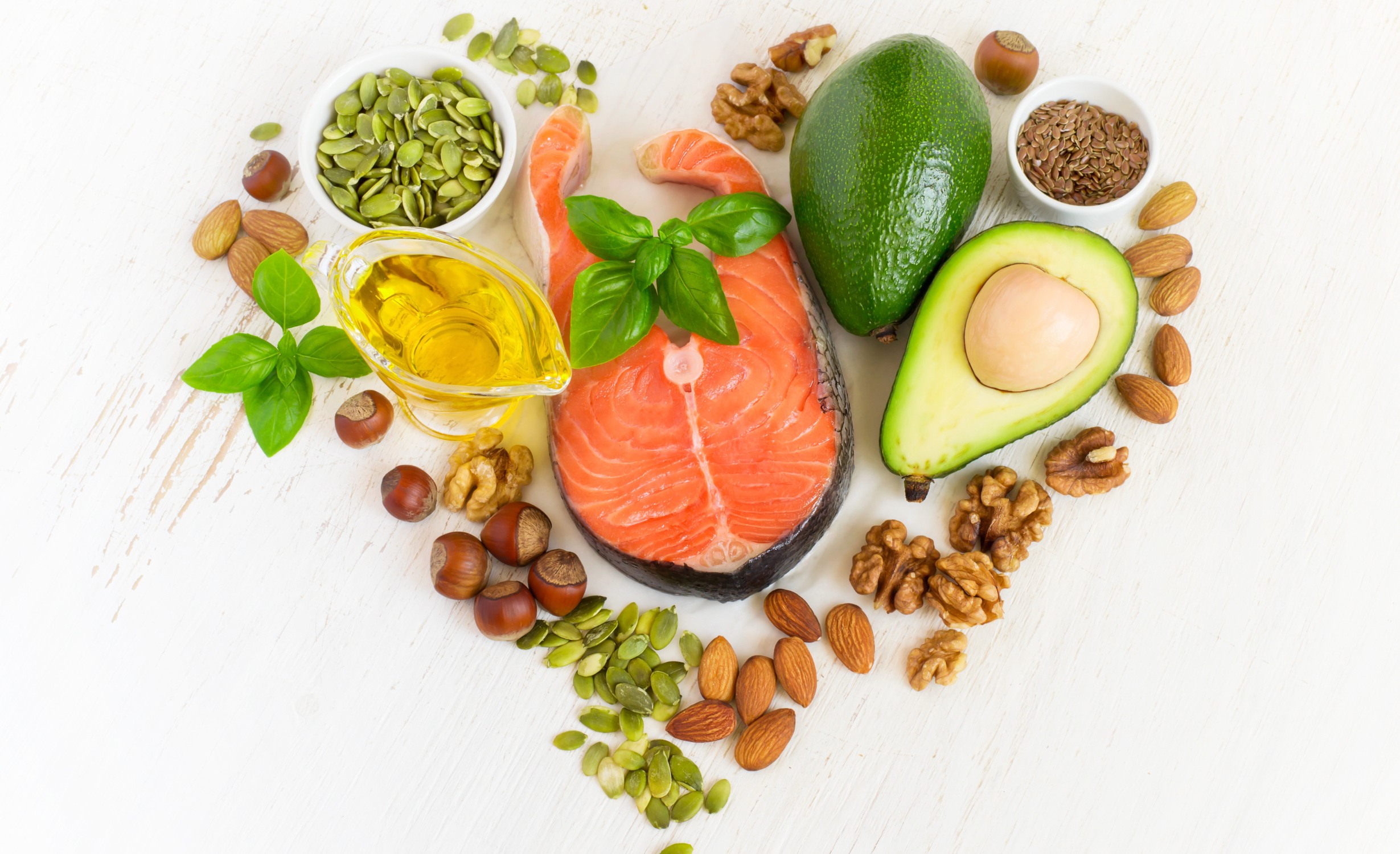
If you are one of many that fall below recommended levels, you don't need supplements right away. Food is the best place to start. Below is a breakdown of the best dietary sources of omega-3, organized by marine sources, plant sources, and fortified foods, with typical omega-3 content you can expect per serving.
Tip: Prioritize whole foods over packaged products as the omega-3s are more bioavailable and they come with additional nutrients like vitamin D, selenium, and antioxidants.
What are Omega-3 Fatty Acids?
Omega-3 fatty acids are essential fats, meaning our bodies cannot produce them and we must obtain them through our diet. There are three main types:
- EPA (Eicosapentaenoic Acid): Supports heart health and helps regulate inflammation.
- DHA (Docosahexaenoic Acid): Vital for brain, eye, and nervous system function.
- ALA (Alpha-linolenic Acid): Found in plant sources. The body converts only a small amount of ALA into EPA and DHA, but ALA itself still offers some heart and anti-inflammatory benefits.
Higher blood levels of EPA and DHA are linked to lower risk of heart disease and overall mortality. Omega-3s help lower triglycerides, support healthy blood vessels, and reduce inflammation throughout the body.
How Much Omega-3 Do You Need?
Most adults should aim for about 250 to 500 milligrams of EPA and DHA each day. The simplest way to reach this amount is by eating two servings of fatty fish per week, roughly the size of a deck of cards.
People who don’t eat fish can rely on plant foods like flaxseed, chia seeds, and walnuts for ALA, another form of omega-3. However, the body converts only a limited portion of ALA into the more active EPA and DHA, so fish or algae-based supplements tend to be more effective for meeting omega-3 needs. Pregnant and breastfeeding women benefit from at least 200 milligrams of DHA daily to support their baby’s brain and eye development.
Once you know how much omega-3 you need, the next step is choosing sources that fit your health goals and values.
Key Considerations
Choosing low-mercury fish such as salmon, sardines, and trout helps minimize exposure to contaminants. Sustainability is another important factor. Smaller fish and responsibly sourced seafood tend to have a lower environmental impact. For those who rely on canned fish, light tuna is generally lower in mercury than albacore, which can help reduce exposure.
When to Consider Omega-3 Supplements
An omega-3 supplement can be helpful and sometimes necessary if you:
- Do not eat fish regularly
- Follow a vegan or plant-based diet
- Have elevated triglycerides
- Are pregnant or breastfeeding and need higher DHA for fetal and infant brain development
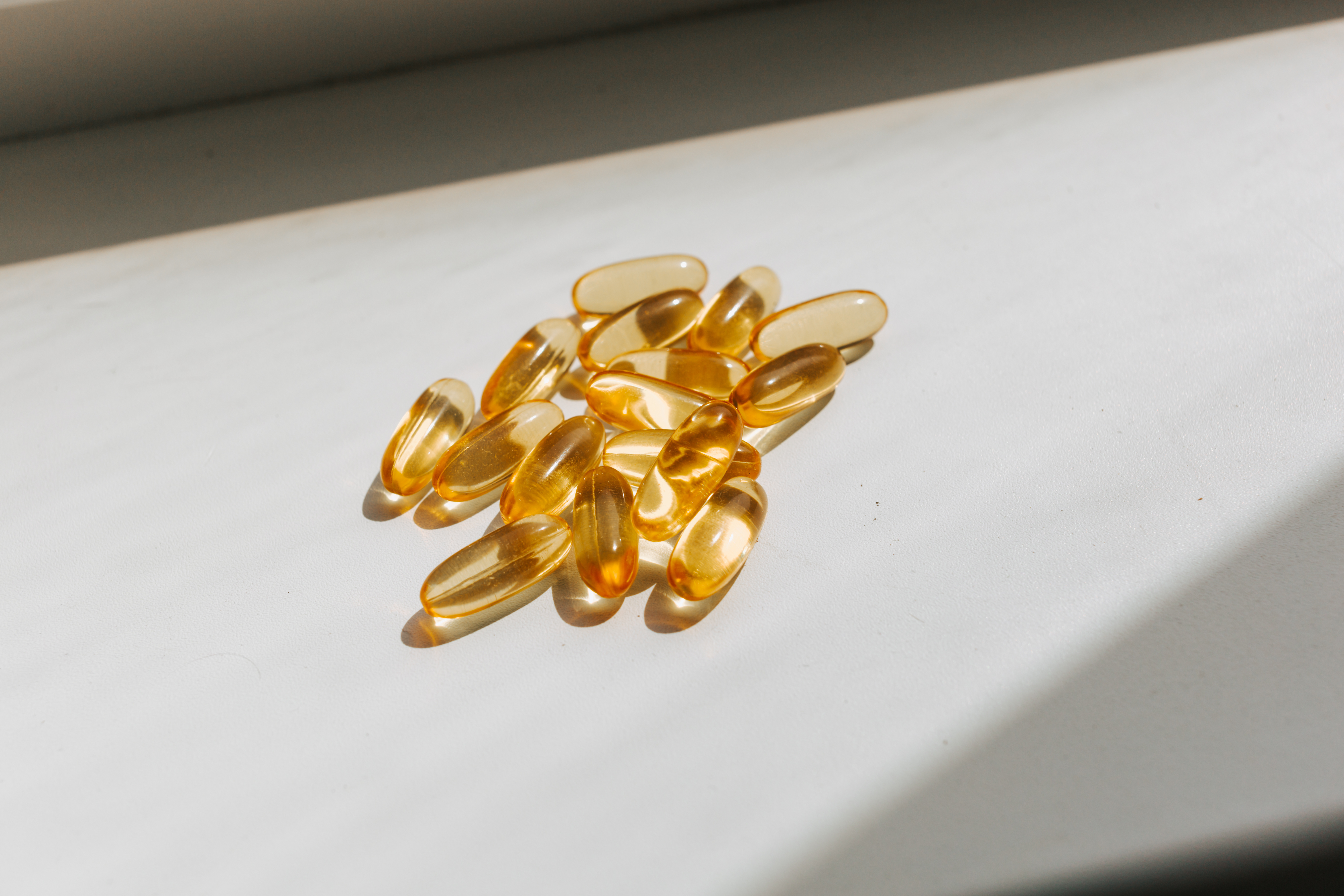
For supplements, choose high quality fish oil or algae oil that provides 500–1,000 mg of EPA + DHA per day. Algae-based omega-3s are a great vegan option that is sustainable. They also reliably raise DHA levels, making them a practical alternative for anyone avoiding seafood.
Focus on Consistency, Not Perfection
Whether it’s salmon on your plate or chia in your smoothie, consistency is key. Omega-3s build up gradually, and every serving helps strengthen your heart, support your brain, and enhance long-term health.
Nutrition isn’t just about numbers, it’s about balance. When patients make small, realistic changes and see measurable improvements, it’s incredibly rewarding. Omega-3s are a perfect example of how science and simple habits align: one serving of salmon, a sprinkle of chia, or a daily capsule can all help build better health over time.The goal is to find sources you enjoy and can maintain long term.

Share Article